
Service Canada Scam Calls for Seniors: The SIN Lie, the Fake Officer Transfer, and What to Do in the First Hour
A call saying Service Canada suspended your SIN is a scam — but hanging up is only step one. This guide gives you the exact scripts, the fake-officer transfer, the credit-bureau alerts, and the first-hour order the official pages skip.
As an Amazon Associate, I earn from qualifying purchases.
In a hurry? See the current price on Amazon.
If a caller says your Social Insurance Number (SIN) has been suspended, or that your Canada Pension Plan (CPP) or Old Age Security (OAS) payments have been stopped, hang up. It is a scam. Service Canada never suspends a SIN, and it never stops your benefits because of an unexpected phone call. The fear the call creates is the whole trick — and this guide gives you the exact scripts the scammers use, the real-versus-fake test, the first-hour order, and the recovery steps for every case, including the credit-bureau alerts most guides skip.
Verdict: hang up, do not call back the number on your screen, and check your benefits only through My Service Canada Account (MSCA) or by calling 1-800-O-Canada (1-800-622-6232) on a number you looked up yourself. If you already shared your SIN or paid money, speed matters more than embarrassment — the bank, the police, the Canadian Anti-Fraud Centre, and both credit bureaus, in that order, are the calls that protect you. Nothing in this guide asks you to buy anything, and no caller who demands gift cards or cryptocurrency is ever real.
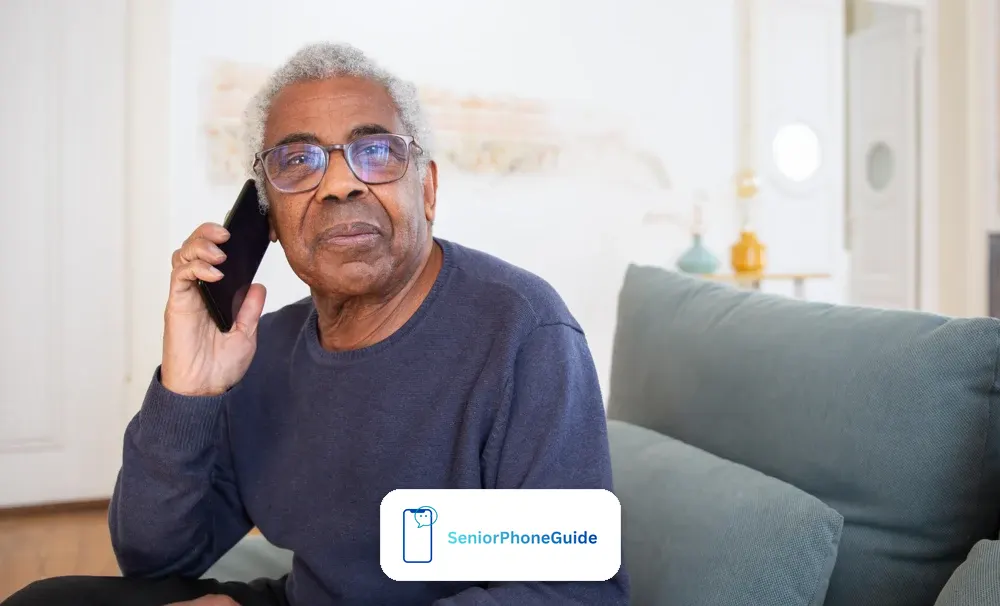
What Just Happened on That Call
A Service Canada scam call usually starts with a recorded voice or a stranger who sounds official. The message is always urgent: your Social Insurance Number has been suspended because of criminal activity, or your CPP or OAS payments have been stopped, and you must act now or face arrest, fines, or the loss of your benefits. The caller may already know your name, and the number on your screen may look like a government office. None of that makes the call real. Scammers fake — or "spoof" — caller ID so the number looks official, and they use threatening language to panic you into handing over personal or financial details before you have time to think.
Three hooks do most of the work. The first is the SIN itself: it is the key to your identity in Canada, so a threat against it feels personal and frightening. The second is your benefits: for many seniors, CPP and OAS are the income the household depends on, so a threat to stop them feels like a threat to daily life. The third is authority: a caller who claims to be from Service Canada, the Canada Revenue Agency (CRA), or the Royal Canadian Mounted Police (RCMP) borrows the trust those names carry. British Columbia's Seniors Advocate notes that fraudsters target older adults because they believe seniors are more trusting, have savings, or may live alone.
Here is what the caller actually wants, in order: your SIN and date of birth, your banking or credit card details, your online passwords, or a payment by gift card or cryptocurrency. Everything else — the threats, the transfer to an "officer", the demand that you stay on the line — is pressure to get one of those things. And here is one reassurance worth holding onto: answering a call alone does not give a scammer your money, and it cannot reach the data, photos, or banking apps on your phone. The danger starts only when you engage — pressing a key, speaking to the caller, following instructions, or sharing details. That is why the whole defence in this guide is built around one simple rule: hang up, and verify through a channel you chose yourself.
The "Your SIN Is Suspended" Script, Line by Line
What follows is assembled from the versions Canadians have reported — labelled as reported variants, because the exact words change from call to call. If you hear any version of these lines, you are hearing the same scam.
- The SIN threat. "Your Social Insurance Number has been suspended due to criminal activity." Variants say the SIN is blocked, cancelled, or locked, or that it has been linked to a crime. Service Canada does not suspend, cancel, block, or lock a SIN — that single fact ends every version of this line.
- The benefits threat. "Your CPP and OAS payments have been suspended." Reported variants include a "top-up" to CPP and OAS payments, a claim that "your CPP will increase this month for 3 months", and claims about "tax evaluation errors" or unexpected increases. Real benefit changes arrive by formal written mail or through official online portals, not by an unexpected call or text.
- The text version. A message claims to be from Service Canada about suspended CPP and OAS payments, sometimes with a link. Our guide to Canada Post parcel scam texts covers the text-message version of this fraud in detail. The link leads to a realistic fake CRA or banking website designed to harvest your details. Never tap a link in a message about your benefits.
- The pressure prompts. "Press 1 to speak to an officer" or "reply Y" to confirm. Pressing a key or replying tells the scammer your number is live and connects you to the next stage of the fraud. Do not press anything, and do not reply.
The same impersonation pattern — a trusted name, an urgent threat, a demand — also drives Amazon account scam calls and texts. The same pattern runs in other countries too — in Singapore it arrives as Singpass scams. Notice what every variant shares: an out-of-the-blue contact, a threat that creates panic, an urgent deadline, and a demand for personal details or payment. A genuine government contact does none of these things. If a call checks even two of those boxes, treat it as a scam, hang up, and move to the first-hour steps below.

Why do the calls keep coming? Dialing is nearly free, numbers are faked faster than carriers can block them, and answering once marks a number as live — so one answered call invites more. The script works often enough, on anyone, that the callers never need to stop.
The Transfer to the "Officer" — Where the Call Turns Dangerous
Many victims report the same turning point: after the opening threat, the caller transfers them to a second voice — a fake "officer", a supposed RCMP officer, or a "fraud investigator". This voice is calmer, more detailed, and more threatening. It may mention a warrant for your arrest, a lawsuit, or imprisonment if you do not cooperate immediately. It may keep you on the line for a long time, sometimes moving the conversation to a video call or to WhatsApp, so you do not have time to check the story with anyone else.
The transfer works because it feels like escalation to a real authority. It is not. The RCMP and Canadian government agencies do not demand payment over an unsolicited call, do not threaten immediate arrest by phone, and do not keep you on the line to stop you from verifying. A real officer will never ask you to transfer money to "clear your name", never promise to return funds later, and never communicate a warrant by text message or social media. If the voice on the phone says you will be arrested unless you pay now, that sentence alone proves the call is fake.
The isolation is deliberate. Scammers often tell victims not to tell family members, not to hang up, and not to call the bank. If a caller tells you not to speak to anyone else, that is your clearest signal to do exactly the opposite: hang up and tell a trusted person right away.
The Gift-Card and Crypto Demand
Sooner or later, the fake officer names a price. The payment methods are always the same family, and that is itself a warning sign: gift-card PINs read out over the phone, Bitcoin bought at a Bitcoin ATM, a cryptocurrency QR code to scan, pre-paid credit cards, or an e-transfer. Sometimes the demand is framed as a "debt" or "bail" that must be settled now. Sometimes the caller claims the payment will "clear your name" or that the money will be returned once the investigation ends. Both claims are lies. The cards they name are usually Apple/iTunes, Google Play, or Steam cards — bought at a drugstore or supermarket, scratched, and read out over the phone.
The RCMP's own warning is blunt: once cryptocurrency reaches the scammer's wallet, the victim's money is gone and unlikely to be retrieved. Gift-card PINs work the same way — once the numbers are read out, the balance drains within minutes. That irreversibility is exactly why scammers also coach their victims: they supply excuses to use at the bank when withdrawing a large amount, so that bank staff do not intervene. If anyone on the phone gives you a story to tell your bank, stop. That story is part of the scam.
Here is the rule to carry with you: Canadian government agencies and police do not demand payment through gift cards, pre-paid cards, cryptocurrency, or Bitcoin ATMs. If someone claiming to be from a government agency or a bank asks for any of those forms of payment, it is a scam — hang up and call the agency directly through a number you looked up yourself. Legitimate organisations do not direct you to ATM machines or send you a QR code to make a payment.
Real Service Canada Contact vs the Scam
| What happens | Real Service Canada | The scam |
|---|---|---|
| Asks for personal information out of the blue | Never — "We will not ask you to provide personal information" for unsolicited phone, text, or email contact | Always — SIN, date of birth, banking details, passwords |
| Suspends your SIN | Never — Service Canada does not suspend, cancel, block, or lock a SIN | Threatens suspension, blocking, or cancellation |
| Demands payment | Never by gift card, pre-paid card, cryptocurrency, or Bitcoin ATM | Demands gift-card PINs, crypto, or e-transfer, now |
| Threatens arrest or prison | Never by unsolicited call, text, or email | Threatens immediate arrest, lawsuit, or imprisonment |
| When it calls | About an active application or scheduled appointment, or a callback within two business days after an eServiceCanada request | Out of the blue, with no application or appointment behind it |
| How it verifies you | Standard protocol for an active file — for example, the first two digits of an access code or a partial SIN — and only when you already have a file open | Demands your full SIN, banking details, or passwords on the spot |
| Letters | Beige or white envelopes carrying the official Canada wordmark | Texts with links to fake CRA or banking websites |
Two warnings complete the picture. First, never call back the number on your screen. Spoofing means the number you see may belong to a real office that never called you, or to the scammers themselves — either way, calling it back does not verify anything. Always look the number up yourself: 1-800-O-Canada (1-800-622-6232), or TTY 1-800-926-9105. Second, if someone claims to work for Service Canada, the real check is to contact the programme through 1-800-O-Canada, where an officer can confirm whether the person's name is on the list of Service Canada investigators and guide you to the right programme.
A note on the product links in this guide: a small number of links below point to call-blocking devices and simple phones on Amazon.ca. They are there because they genuinely help cut scam calls, and only in the two sections where they fit — the first-hour steps and the family-helper checklist. If you buy through one, SeniorPhoneGuide may earn a small commission at no extra cost to you, and that support helps keep these guides free. Every other step in this guide costs nothing. As an Amazon Associate I earn from qualifying purchases.

The same lie also wears a different uniform: some calls claim to be from the Canada Border Services Agency (CBSA), linking your SIN to a parcel or a border crossing. The script is identical — only the agency name changes — so treat it the same way: hang up and verify through a number you looked up yourself. Service Canada’s fraud-prevention page states it will not ask for personal information in unsolicited contact.
Do This in the First Hour, in This Order
- Hang up and breathe. Do not press any key, do not reply to a text, and do not call back the number on your screen. Put the phone down, take a slow breath, and remind yourself of the one fact that ends the call: Service Canada never suspends a SIN. The panic you feel is the weapon; putting the phone down disarms it.
- Write down what happened. Note the number on your screen, the time of the call, and what the caller claimed — SIN suspended, benefits stopped, warrant, gift cards. Keep any text message, and do not delete it yet. This note is what the bank, the police, and the Canadian Anti-Fraud Centre will ask for, and writing it now means you will not have to remember it later.
- Call the bank — but only if banking or card details were shared, or money moved. Use the number on the back of your card, never a number the caller gave you. Say you were scammed, and ask about stopping the payment, replacing the card, and watching the account. Card payments can sometimes be reversed; bank transfers are time-critical; gift cards drain fastest, so call the gift-card issuer within minutes with the card numbers and receipts if you still have them.
- Check your benefits yourself. Do not use any link the caller sent. Go to My Service Canada Account through canada.ca, typed by you, or call the CPP/OAS programme line at 1-800-277-9914 for benefits questions. The next section walks through exactly what to check.
- If you are still worried the call might be real, verify through 1-800-O-Canada. Call 1-800-622-6232 — or TTY 1-800-926-9105 — on a number you looked up yourself, and ask whether Service Canada has any record of contacting you. An officer can also check whether the caller's name is on the list of Service Canada investigators.
- Tell a trusted person. A family member, a friend, or a neighbour — anyone who can sit with you while you make the remaining calls. Scammers work by isolating you; telling one person breaks that isolation and makes every later step easier.
- Report it. Contact your local police and the Canadian Anti-Fraud Centre (CAFC) at 1-888-495-8501, Monday to Friday from 10:00 a.m. to 4:45 p.m. Eastern time, closed on holidays, or report online at reportcyberandfraud.canada.ca — you can report anonymously if you prefer. Reporting matters even if you lost nothing: it builds the record that protects everyone else. If you are in immediate danger, call 911 first.
Two purchases genuinely help prevent the next call, and only these two belong here. A call-blocking device for a landline stops most scam calls before they ring, and a simple cell phone with built-in spam blocking sends unknown numbers to voicemail on a mobile. Everything else in this guide is free advice, and no device replaces the seven steps above.
Check Your Benefits Safely
The safest check is the one you start yourself. Type the address for My Service Canada Account yourself through canada.ca, or call the CPP/OAS programme line at 1-800-277-9914. Never tap a link in a text about your benefits, and never use a number given to you by an unexpected caller — those are the two routes the scam controls.
Once you are in your account, check three things: your payment status, your employment records, and any activity you do not recognise. Unfamiliar employment records in My Service Canada Account, a CRA notice of reassessment for earnings you never declared, or unfamiliar inquiries on your credit report are signs someone may be using your SIN — and all three are covered in the recovery cases below. If everything looks normal, that is your answer: your benefits are fine, and the call was fake.
CPP and OAS share the same monthly payment dates in 2026, and payments "may take a few days to arrive" — posted cheques take longer than direct deposit, and Canada.ca asks people to wait 5 to 10 business days before contacting the programme. The next payment date after this guide was written is November 26, 2026. So a deposit that has not appeared yet, a cheque that is running late, or a month when you expected a "top-up" can all make a "suspended payments" call sound plausible. That timing gap is our explanation for why the scam feels believable — no official page states it as the mechanism — but the facts underneath are official: a payment that has not arrived yet does not mean a suspension.

If You Already Shared or Paid: Five Cases
Case 1 — You clicked a link but shared nothing
Close the page, do not enter anything, and do not call any number shown on it. If you entered no details, nothing was shared: hang up, delete the message, and carry on.
Case 2 — You shared your SIN, and nothing else
Your SIN alone does not empty a bank account, but it does open the door to identity fraud, so act the same day: contact both credit bureaus (the next section explains exactly how — and why both, separately), contact your local police, and report to the CAFC. Then watch for the signs of SIN fraud: unfamiliar credit inquiries, a CRA reassessment for earnings you never declared, or unfamiliar employment records in My Service Canada Account. You do not need to inform the SIN Program about suspected misuse — that step is not required, and anyone on the phone telling you otherwise is running the scam.
Case 3 — You shared banking or card details
Call the bank at once on the number on the back of your card and say you were scammed. Ask about stopping any payment, replacing the card, and watching the account. Then, from a clean device, change the password of every account whose details were shared, starting with email and banking, and switch on two-factor authentication where it is offered. Tell a trusted person, keep every message and receipt, and report to the police and the CAFC.
Case 4 — You paid with gift cards
Call the bank first if any bank details were also shared, then call the gift-card issuer within minutes with the card numbers and receipts — speed is everything, because gift-card balances drain fastest. Keep every receipt and the numbers you read out. Then report to the police and the CAFC. Be honest with yourself about the odds: gift-card money is very hard to recover, and anyone who contacts you promising to recover it for a fee is running the second scam described later in this guide.
Case 5 — You paid with cryptocurrency, at a Bitcoin ATM or through a QR code
Contact your bank and the exchange or platform at once, keep every transaction detail, receipt, and message, and report to the police and the CAFC. Be equally honest here: once cryptocurrency reaches the scammer's wallet, it is unlikely to be retrieved, and the RCMP says so plainly. Reporting still matters — it builds the enforcement case, it protects others, and it creates the record you need if any recovery ever becomes possible. Never pay anyone who offers to recover crypto for a fee.
Protect Your Credit File: The Two Bureaus, Separately
Canada has two major credit bureaus — Equifax Canada and TransUnion Canada — and an alert placed at one does not cover the other. If your SIN was shared, you must contact both, separately. Both alerts last six years, and both bureaus describe their fraud alerts as free — if a page tells you an alert necessarily costs money, that note is out of date.
Equifax Canada — 1-800-465-7166
There are two different alerts, and the distinction matters. An Identity Alert is available to anyone who is concerned: you add a personal statement and a phone number (mandatory) to your Equifax credit report. If you live in Manitoba or Ontario and you apply for credit, this alert requires lenders to call you before extending credit; everywhere else in Canada, lenders are encouraged — but not legally required — to call. It stays on your report for six years unless you ask in writing to remove it, and you can update the phone number for free with a written request plus proof of identity and a phone bill. Place it by interactive voice response at 1-800-465-7166 (say "fraud" or press 3), through the online dispute form under "Alerts", or by mail to Equifax Canada Co., Consumer Relations Department, Box 190, Montreal, Quebec H1S 2Z2, with photocopies of two pieces of identification.
A Fraud Alert (also called a Fraud Warning) is different: it is only available to confirmed victims of fraud or identity theft. It adds a statement and a phone number encouraging lenders to call before extending credit, it is free, it stays for six years, and placing it also launches a fraud investigation if one is needed. You qualify if, for example, your bank tells you your information was fraudulently used to get new credit, if unauthorised inquiries appeared after a compromise, if bank accounts were accessed fraudulently, or if the police directed you to call because fraud is already confirmed. Place it through the call centre, by mail, or online.
TransUnion Canada — 1-800-663-9980
The pre-misuse route is the Potential Fraud Alert: add it online through the free self-service site, by phone at 1-800-663-9980, or in writing. TransUnion's restoring steps run in this order: obtain and review your credit report; protect your report with a fraud alert; report the fraud (including to Service Canada if someone used your SIN); contact your financial institutions; stop cheques and report your SIN; follow up; and review your report regularly. TransUnion also offers a separate free credit freeze — a security freeze or credit lock — which prevents access to your credit information altogether. A freeze is stronger than an alert, but you must lift it before applying for credit yourself.
While you are speaking to each bureau, ask for a copy of your credit report and check it for accounts you did not open and inquiries you did not initiate. Check both reports, not just one: a fraudster who opens an account may appear on only one bureau's file.

The "New SIN" Promise Is a Trap
Some versions of this scam end with a tempting offer: the caller will cancel your "compromised" SIN and issue you a brand-new one. It sounds like a solution. It is a lure, and the real rules prove it.
A new SIN does not erase your old SIN, and it does not protect the old one from future misuse. A new SIN is issued only when there is clear evidence that your current SIN has been used fraudulently, and even then it is not guaranteed: if you do not provide the required documents, the application will be rejected. It is handled in person at a Service Canada Centre only — never by phone — and it requires primary and secondary identification plus supporting documents: for credit fraud, a police report or case number or letter plus a creditor letter stating you are not responsible; for employment fraud, the same plus T4 records for the past three years, a photo, and addresses for the past ten years.
So the rule is simple: anyone on the phone offering you a new SIN is a scammer, full stop. If your SIN was genuinely misused, the path runs through the police report, the bureaus, and the CAFC first — and a new SIN, if it is ever appropriate, comes at the very end, in person, with documents in hand.
Family Helper: How to Help Without Taking Over
If the person who received the call is your parent, your job is to be the calm second person in the room, without taking over. Start with reassurance, not questions: "You did the right thing by telling me. We will sort this out together, one step at a time." Blame is the scammer's best friend, because a person who feels ashamed stops telling people what happened.
- Sit with them for the first calls. Dial the bank, the police, or 1-800-O-Canada together, with the note from the first-hour list in front of you. Let them hold the phone and speak where they can; step in only for numbers, spellings, or details they are unsure about.
- Help them check, don't check for them. Open My Service Canada Account together, on a device you trust, and walk through the payment status and employment records side by side. Explain each screen before you move on, and write down what you find.
- Set up the defences together. Switch on the phone's own spam setting, check the carrier's free blocking tool, and agree on the family rule: unknown number, let it go to voicemail, and never act on urgency from a stranger. For a parent who mainly uses a landline, a corded phone with built-in call blocking can stop most scam calls before they ring.
- Make the next phone easier. A senior smartphone with large buttons or a large-button phone that is easy to use reduces the chance of a panicked press of the wrong key, and a phone whose screen is easy to read makes the "unknown number, voicemail first" rule easy to follow.
- Agree on a check-in routine. Who checks voicemail, how often, and what to do if a frightening message arrives. Write the rule on a card kept with the phone: the family rule, the 1-800-O-Canada number, and the name of the person to call first.
- If your parent already paid, lead with speed, not blame. Bank first, then police, then the CAFC — the same order as the recovery cases above. Say it plainly: "The bank has heard this story before, and there is no version of this where you should feel foolish."
Report It: CAFC, Police, and Service Canada
Report even if you lost nothing — the Canadian Anti-Fraud Centre says so explicitly, and the numbers explain why: as of September 30, 2026, the CAFC had processed 22,002 reports for the year, with 15,422 victims and $535 million lost. Every report sharpens the picture of which scripts are circulating. The Centre is jointly operated by the RCMP, the Ontario Provincial Police, and the Competition Bureau. A cousin of this scam impersonates the CRTC, threatening to cut off phone service — the CRTC never calls to threaten disconnection, and those calls are reported to the CAFC the same way.
- Canadian Anti-Fraud Centre (CAFC) — 1-888-495-8501, Monday to Friday from 10:00 a.m. to 4:45 p.m. Eastern time, closed on holidays. You can also report online at reportcyberandfraud.canada.ca, and you have the option to report anonymously. Remember the division of labour: it is your local police who investigate — the CAFC maintains the central repository that assists those investigations.
- Text scams — forward to 7726 (SPAM). If the scam arrived by text, forward it to 7726 before deleting it; carriers use those reports to block the sending numbers.
- Your local police — as soon as possible. Get a file number for future reference. Bring the note from the first-hour list: the number on your screen, the time, what was claimed, and every receipt, message, and call log you kept.
- Service Canada — 1-800-O-Canada (1-800-622-6232), TTY 1-800-926-9105. Ask whether Service Canada has any record of contacting you, and whether the caller's name is on the investigators list.
- Canada Revenue Agency — 1-800-959-8281, if tax or benefit details were involved.
- Canada Post, if your mail was redirected or you suspect mail interference.
- 911, if you are in immediate danger.
The CAFC does not contact individuals to request money. A call from "the Anti-Fraud Centre" asking for money or details is itself a scam — hang up and call the CAFC yourself on the number above.
Beware the Second Scam: "We Can Get Your Money Back"
Victims of fraud are often targeted a second and even a third time, by callers who promise to recover the money that was lost — for a fee, paid in advance, usually by gift card or cryptocurrency. The RCMP and the CAFC both warn about this pattern, and it follows the same script as the first scam: urgency, authority, secrecy, and an untraceable payment method.
A related shape pretends to be your bank: move your money to a "safe" account to protect it, or to help catch criminals. A real bank never asks you to move money by phone — hang up and call the number on your card.
The rule is absolute: never pay anyone who contacts you claiming they can recover money for a fee. Legitimate recovery does not work that way, and no government agency charges a fee to return stolen funds. If you receive a recovery offer, hang up, keep the number and the message, and report it to the police and the CAFC as a new incident. Telling family, friends, and neighbours about your experience — which the CAFC itself recommends — also protects against the second scam.
When Service Canada Really Contacts You
It may call about an active application or a scheduled appointment you already have, including Employment Insurance, CPP, or OAS files. If you submitted a request through the eServiceCanada Service Request Form, a representative will call you back within two business days. It may leave a voicemail giving a callback number and asking you to have your SIN ready — and even then, the safe move is to verify by calling a number you looked up yourself before sharing anything.
Letters are the other genuine channel: official documents from Service Canada arrive in beige or white envelopes carrying the official Canada wordmark. Benefit changes are communicated primarily through formal written mail or official online portals — not by an unexpected call or text demanding action. And the identity check, when it happens for a genuine file, follows standard protocol — for example, the first two digits of an access code or a partial SIN — rather than a demand for your full SIN, banking details, or passwords on the spot.
Genuine contact: an application or appointment you already know about, a callback you requested, a beige or white envelope, a number you looked up. Scam contact: an out-of-the-blue threat, a suspended SIN, stopped benefits, a warrant, a demand for gift cards or cryptocurrency, and a caller who will not let you hang up and verify. When in doubt, hang up and call 1-800-O-Canada. That single habit defeats every version of this scam.

Frequently Asked Questions
- Would Service Canada call me about my SIN?
- No — not to threaten you. Service Canada will not call you to say your SIN is suspended, blocked, or cancelled, and it does not suspend SINs at all. Any call claiming your SIN is locked or involved in criminal activity is a scam. Service Canada may call about an active application or a callback you requested, but it will never call out of the blue to threaten your number.
- Does Service Canada contact you by phone?
- Yes, but only in specific situations: an application or scheduled appointment you already have, or a callback within two business days after an eServiceCanada request. It may leave a voicemail with a callback number. Unsolicited calls asking for personal information, threatening to cancel your SIN, or demanding payment are scams — hang up and verify through 1-800-O-Canada (1-800-622-6232).
- Does Service Canada ask for a SIN number over the phone?
- No, not on an unsolicited call. Service Canada does not call, text, or email people to request personal information or to claim a SIN has been compromised or linked to crime. The one exception is when you made the call yourself about an active file: then an agent may ask you to verify your identity, following standard protocol. Never give your SIN by phone unless you made the call and you know it is legally required.
- What should I do if my SIN number is compromised?
- Act the same day, in this order: contact both credit bureaus separately — Equifax at 1-800-465-7166 and TransUnion at 1-800-663-9980 — and place the appropriate alert (an Identity Alert if you are concerned, a Fraud Alert if fraud is confirmed); contact your local police and get a file number; report to the CAFC at 1-888-495-8501 or online; and watch for signs of misuse, such as unfamiliar credit inquiries, a CRA reassessment for earnings you never declared, or unfamiliar employment records in My Service Canada Account. You do not need to inform the SIN Program about suspected misuse.
- What can a scammer do with a SIN number?
- With a SIN plus a few personal details, a scammer can try to open credit accounts, file false tax returns, or create false employment records in your name. That is why the bureau alerts matter: they force — or, outside Manitoba and Ontario, strongly encourage — lenders to call you before extending credit, and they stay on your file for six years. A SIN alone does not empty a bank account, but it must be treated as compromised the moment it is shared.
- How can I check if someone is using my SIN number?
- Check three places: your credit reports from both Equifax and TransUnion, for accounts you did not open and inquiries you did not initiate; your My Service Canada Account, for unfamiliar employment records; and any CRA correspondence, for a notice of reassessment covering earnings you never declared. If any of the three shows something unfamiliar, work the recovery steps in this guide and report to the police and the CAFC.
- Who can legally ask for my SIN number?
- Only provide your SIN when the law requires it — for example, for employment, tax, and government benefit purposes. You can refuse in many everyday situations, including a job application before hiring, a credit card or mortgage application, renting a home, phone, internet or cable services (except Hydro-Québec), a car rental, medical history, a will, post-secondary enrolment, or a credit report — and you cannot be denied a product or service for refusing when the SIN is not legally required. When anyone asks, ask back: is it legally required, why is it needed, how will it be used, and who will have access?
- Can a scammer access my phone just by my answering a call?
- No. Answering a call cannot reach your phone's data, photos, banking apps, or files. What answering does do is confirm your number is live and connected to a real person, and some automated systems try to record you saying "yes". The real danger is what happens during the conversation — being tricked into sharing details, reading out a one-time code, or following instructions. That is why hanging up, not answering cleverly, is the defence.
- Is a text message from Service Canada a scam?
- An unsolicited text asking for personal information, claiming your SIN or benefits are suspended, or carrying a link about your benefits should be treated as a scam. Real benefit changes arrive by formal written mail or official online portals. Do not tap the link, do not reply, and check your benefits only through My Service Canada Account or the CPP/OAS programme line at 1-800-277-9914.
- What are some signs that a phone call is actually a scammer?
- Six signs, and any two together are enough: the contact is out of the blue; it creates panic and demands action now; the offer or threat sounds too good or too terrible to be true; it demands an unusual payment — gift cards, cryptocurrency, pre-paid cards, or e-transfer; it wants your SIN, banking details, or passwords; and it will not let you hang up, call back, or verify. A genuine government contact does none of these things.
- Will Service Canada call back?
- Only if you asked it to. If you submitted a request through the eServiceCanada Service Request Form, a representative will call you back within two business days. Any other "callback" — especially one promised by an unexpected caller who threatened you — is part of the scam. When in doubt, hang up and call 1-800-O-Canada yourself.
- Does Service Canada send text messages about CPP or OAS payments?
- Benefit changes are communicated primarily through formal written mail or official online portals, not by unexpected texts or calls. A text claiming your CPP or OAS payments have been stopped, suspended, or topped up — especially one with a link — is a scam. Check the official payment calendar and your own account instead: CPP and OAS share the same monthly dates, deposits may take a few days to arrive, and Canada.ca asks people to wait 5 to 10 business days before contacting the programme about a late payment.
- My mother was told her SIN was suspended and she gave the caller her SIN and date of birth — what do we do first?
- First, reassure her: she did the right thing by telling you, and this is fixable. Then, in order: (1) Hang up if the caller is still on the line, and do not call back the number on the screen. (2) Contact both credit bureaus the same day — Equifax at 1-800-465-7166 and TransUnion at 1-800-663-9980 — and place an Identity Alert on each file, since fraud is not yet confirmed; the alert stays for six years. (3) Contact your local police and get a file number. (4) Report to the CAFC at 1-888-495-8501 or online at reportcyberandfraud.canada.ca. (5) Help her check My Service Canada Account for unfamiliar employment records, and watch both credit reports for accounts she did not open. (6) Do not pursue a new SIN unless fraud is actually proven — a new SIN does not erase the old one, is not guaranteed, and is handled in person only. Finally, agree the family rule together: unknown number, voicemail first, never act on urgency from a stranger.
- My father bought gift cards and read the PINs to a caller claiming to be the RCMP — is the money gone, and what do we do now?
- Be honest about the odds first: gift-card money drains within minutes once the PINs are read out, and it is very hard to recover — but "very hard" is not a reason to do nothing. Act now, in this order: (1) Call the bank at once if any bank details were also shared, on the number on the back of the card. (2) Call the gift-card issuer within minutes with the card numbers and receipts. (3) Contact your local police and get a file number, then report to the CAFC at 1-888-495-8501. (4) Keep every receipt, message, and call log. (5) Watch for the second scam: anyone who now contacts your father promising to recover the money for a fee is running a recovery scam — hang up and report that call too. Above all, do not blame him: the caller was a professional using a tested script, and speed now matters far more than embarrassment.
- How do I stop these calls from coming at all?
- You cannot stop them completely, because scammers keep calling from new, faked numbers — but you can cut them to a trickle with a system, not a single block: save real numbers in contacts, switch on your phone's own spam setting so unknown numbers go to voicemail, switch on your carrier's free blocking tool, and add a landline call-blocking device if the calls come to a home phone. Our companion guide to stopping robocalls walks through the iPhone, Android, carrier, and landline steps in order: How to Stop Robocalls for Seniors. Agree the family rule alongside it — unknown number, voicemail first — and test it once a month with a family member's unsaved-number call.
Bottom line: a call saying your SIN is suspended or your benefits are stopped is a scam, every time — because Service Canada never suspends a SIN and never stops benefits by surprise phone call. Hang up, verify through a number you looked up yourself, and if anything was shared or paid, work the order in this guide: bank, police, CAFC, both bureaus. Keep the card by the phone with the family rule and the 1-800-O-Canada number on it, and no version of this scam — SIN threat, officer transfer, gift-card demand, or recovery promise — will find you unprepared again.
Follow SeniorPhoneGuide on Pinterest for more plain-language phone safety guides: @SeniorPhoneGuideUS.